November 25, 2025
Stories that need to be told
What makes a bestseller? What makes a blockbuster? Are bestsellers the best stories and blockbusters the best movies? Well, that depends on the metric you are applying. From a commercial perspective it’s hard to argue anything else: Of course they are the biggest commercial success. But is that all we should focus on?
Now, I’ve ghostwritten probably more books and papers than I have read, which is a funny ration, when you think about it. But what I realized both in my receptive and constructive journey: Sometimes the books that matter the most, the books that tell the most amazing and important stories are not there to become bestsellers.
Not because they are not “good” enough. Quite the opposite, actually. They might be too good for their own good. They were raw and honest. They were not glamorous. Think: Love stories told at the Bodega on the corner or at the restaurant around the corner. Stories about mental health and the lack thereof. Stories about real people. Stories by real people.
However, I go to Barnes and Noble and read the New York Times bestseller list and I see the opposite: stories that are only to be described as bourgeoisie or worse. Stories about vacation houses in the Hamptons and stories told about beautiful people working beautiful jobs in beautiful places falling in love with other beautiful people.
Am I generalizing? Yes, I am, thank you for noticing. But the point I’m trying to make is a simple one: I believe that more and more of the gritty and real stories need to be told. Stories about immigrants who made it — and immigrants who did not make it. Stories with happy ends that are not all that happy. Stories without happy ends altogether.

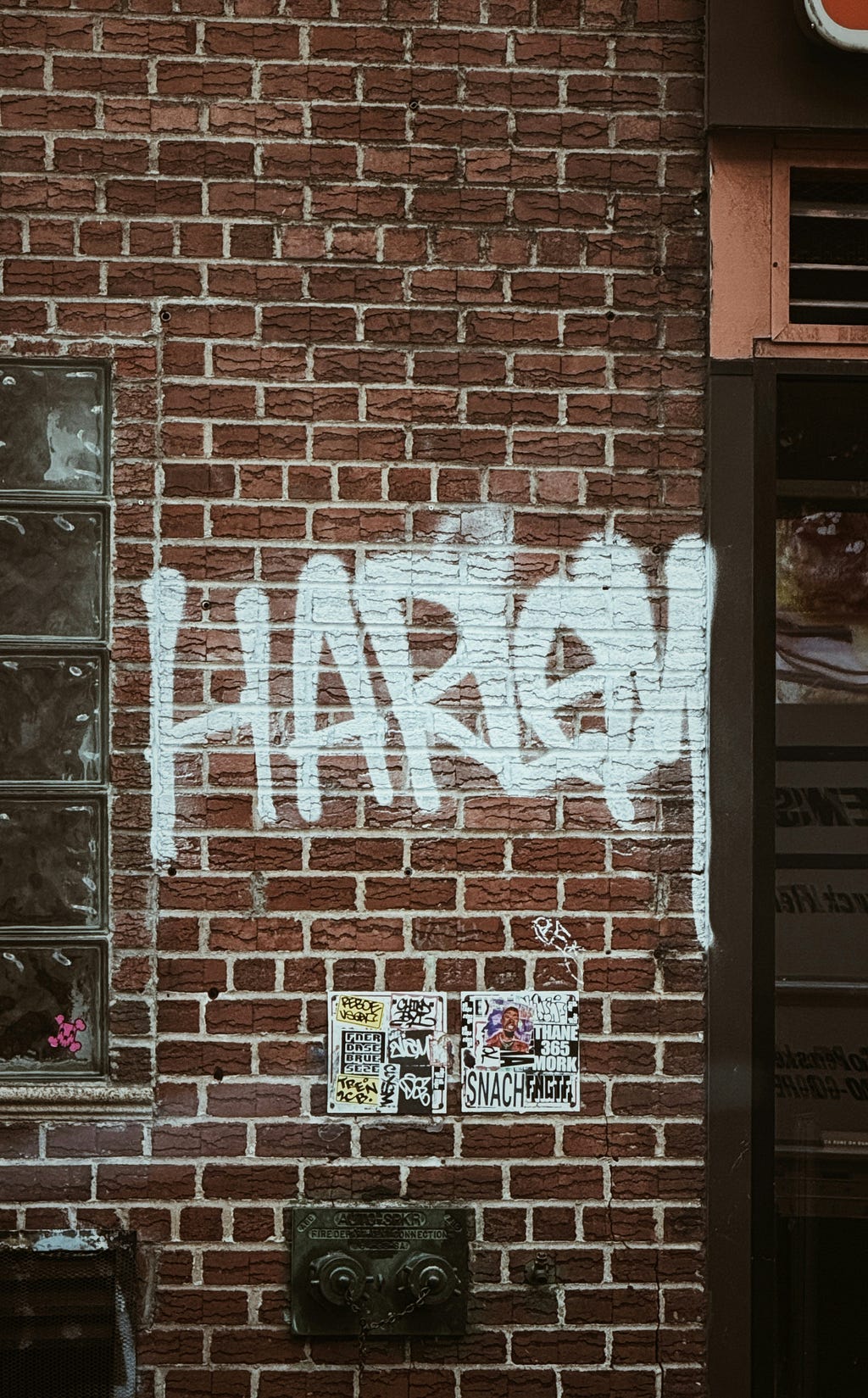
Let’s be honest, nobody is desperate for another “summer by the lake house” romance. What gets lost when we let only the prettiest, safest stories float to the top? A whole city of truth, for one. Walk a block in Harlem or Bushwick, and you’ll find a thousand books unwritten: love that’s messy, jobs that don’t pay enough, families that break and patch and break again. If those stories never reach the shelves, what exactly are we celebrating? What gets left out when the selection is curated by market surveys and Instagrammable plots?
I want to publish books that sweat. I want the sound of city buses and broken English and the echo of a midnight fight to be part of the American canon. Give me novels that aren’t ashamed to smell like corner-store cologne, memoirs with stains and rips, poetry that aches for rent money and acceptance and something like grace. Let’s put stories in the window that might embarrass the neighbors and shake up the book clubs, but that give someone across town the feeling: maybe I’m not the only one.
It’s easy to sell stories that reassure, stories that keep everything tidy and aspirational. But where do you go when your story doesn’t fit the mold? Who publishes the heartbreak, the struggle, the years spent almost-but-not-quite-there? Where do you turn if you want to write about the morning after the wedding, about being broke, about not loving yourself? UPTOWN PRESS is for you. For us. For anyone with a story that hurts, or a truth that’s ugly, or a life that’s never been described the way it actually happened.
We aren’t here to build a bestseller factory. We are here to help authors that want to write about real experiences, about their real experiences. We’re here to publish what’s honest, what’s raw, what’s beautiful in a way that can’t be filtered and won’t fit the algorithm. Our mission isn’t just to print books. Everybody can do that. It’s to hand the microphone to those who never got one, and leave the stage light on until every last voice has had its turn. That’s the promise. If you’re tired of the airbrushed, come as you are. If your story is inconvenient, we want it. If you’re afraid nobody would ever want to read what you have to say, send it anyway.